
The Great Packaging Debate: Jute vs. Cotton Canvas for Sustainable Brands
As global legislation aggressively phases out single-use plastics, businesses across all sectors—from boutique retail and D2C e-commerce to corporate event planning—are actively seeking sustainable packaging alternatives. When making the transition to eco-friendly materials, procurement teams usually narrow their choices down to two main contenders: Jute and Cotton Canvas.
To the naked eye, both appear to be excellent, natural alternatives to synthetic bags. However, when evaluating environmental impact, structural durability, and B2B cost-effectiveness, one fiber distinctly outperforms the other. For brands truly committed to minimizing their ecological footprint while maximizing their ROI, understanding the critical differences between jute and cotton canvas is essential.
1. The Hidden Water Footprint: A Matter of True Sustainability
Many brands switch to cotton canvas believing it is the ultimate green choice. Unfortunately, conventional cotton hides a massive environmental secret: its water footprint.
Cotton is one of the most water-intensive crops on the planet. It takes roughly 2,700 liters of water to produce the cotton needed for a single t-shirt or canvas tote bag. Furthermore, traditional cotton farming relies heavily on chemical pesticides and synthetic fertilizers, leading to severe soil degradation and water pollution.
Jute, on the other hand, is the undisputed champion of true sustainability. Known as the "Golden Fiber," jute is cultivated primarily in the monsoon-drenched Bengal region. It is entirely rain-fed, meaning it requires almost zero external irrigation. Furthermore, jute cultivation requires minimal to no pesticides. Remarkably, one hectare of jute plants consumes about 15 tons of carbon dioxide and releases 11 tons of oxygen during its fast growing season. When a brand chooses jute over cotton, they are making a mathematically superior environmental choice.
2. Structural Integrity and The Checkout Experience
When a customer uses a reusable bag, the physical structure dictates the user experience.
The Canvas Problem: Cotton canvas is naturally soft and floppy. When placed on a checkout counter, a canvas bag collapses in on itself, making it frustratingly difficult for retail staff to pack quickly. When placed in the trunk of a car, it offers zero structural protection for the groceries or retail boxes inside.
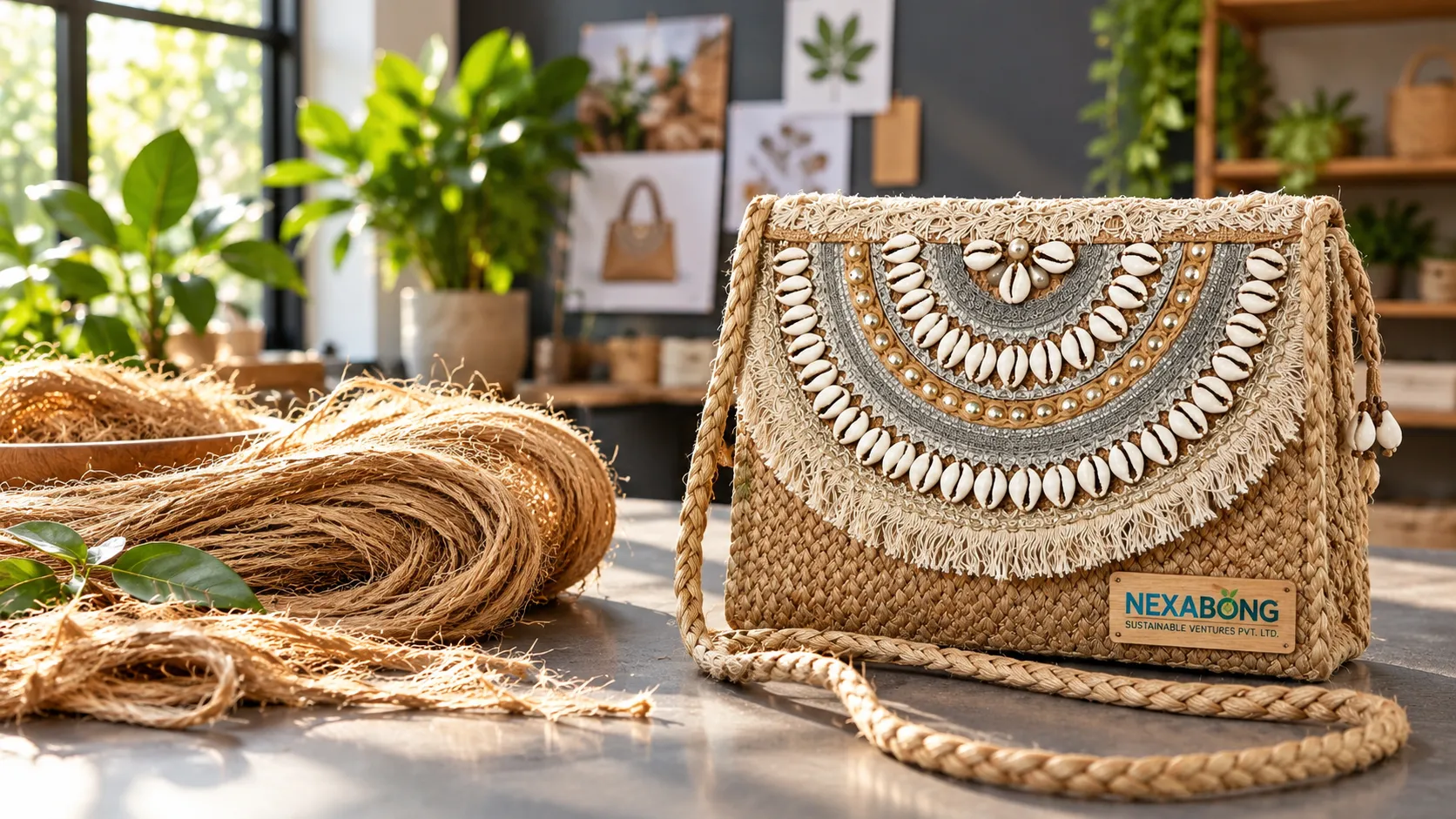
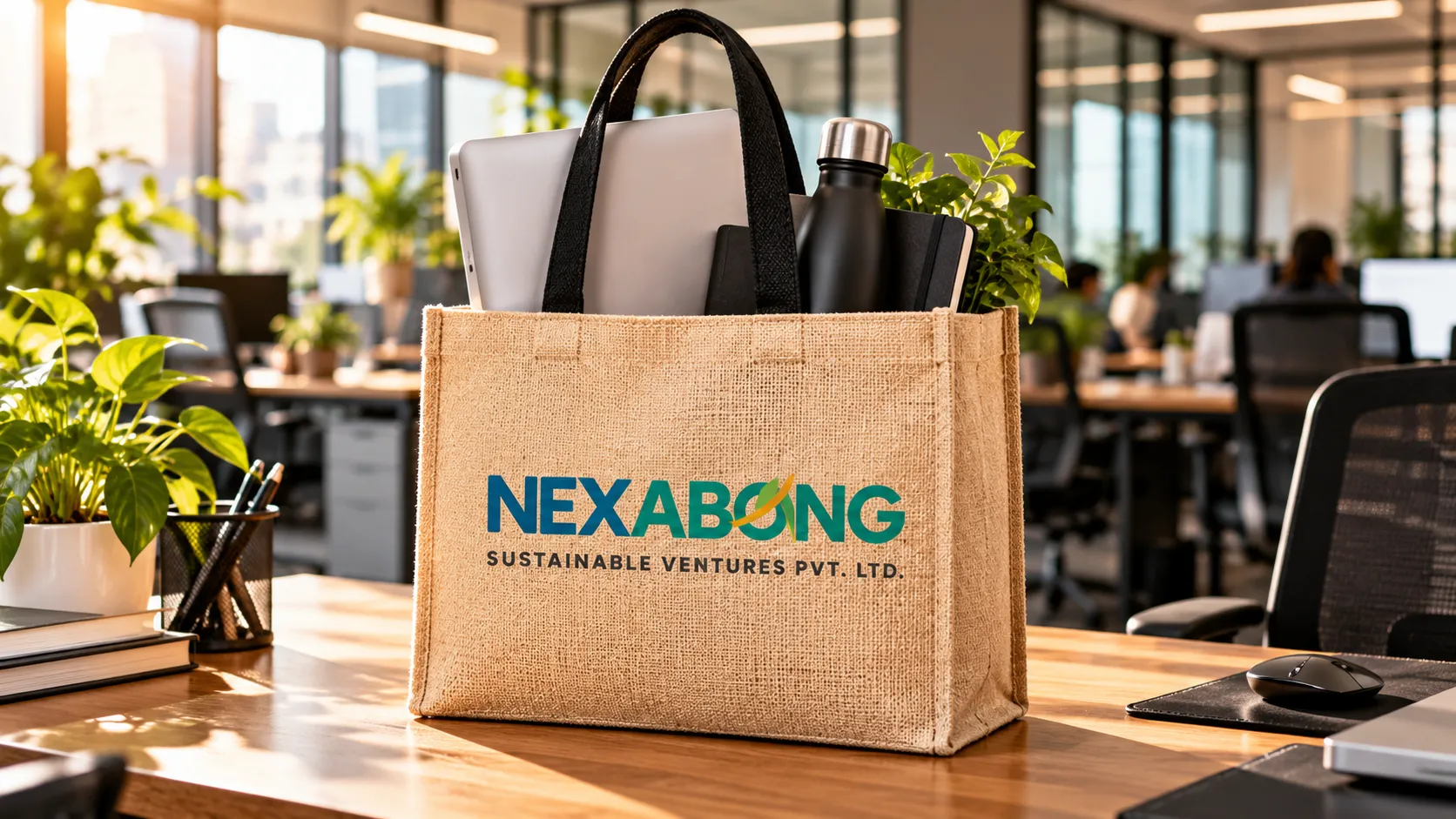
The Jute Advantage: Premium B2B jute bags are woven with a dense mesh (such as 13x13 or 14x15) and typically feature a food-grade inner lamination. This lamination stiffences the bag, allowing it to stand perfectly upright on its own. This wide-gusset, boxy geometry makes packing seamless at the retail counter and ensures products remain stable and protected during transit.
3. Aesthetic Texture and Brand Perception
While canvas offers a smooth, uniform surface similar to standard apparel, jute offers a distinct, highly textured, rustic-chic aesthetic.
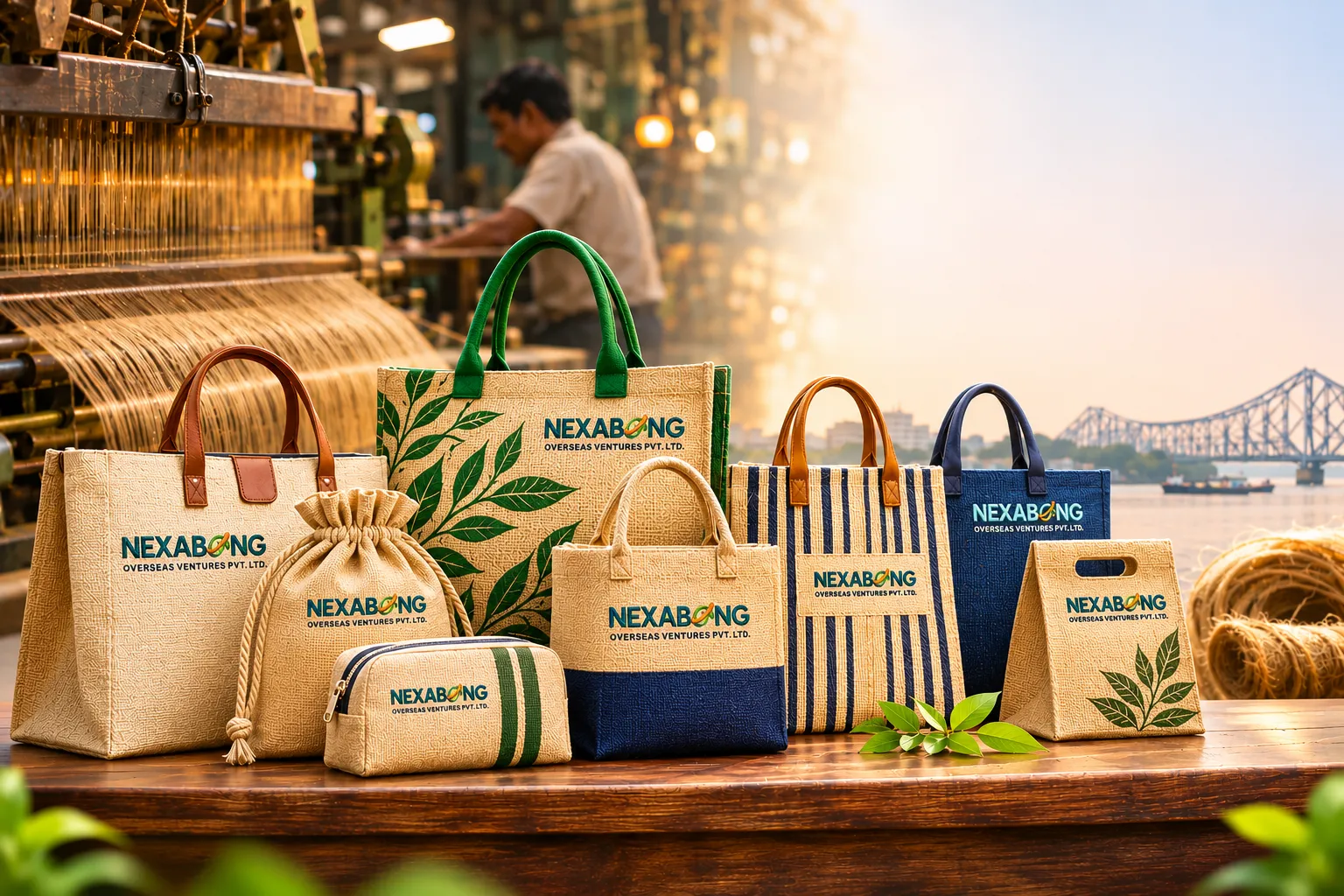
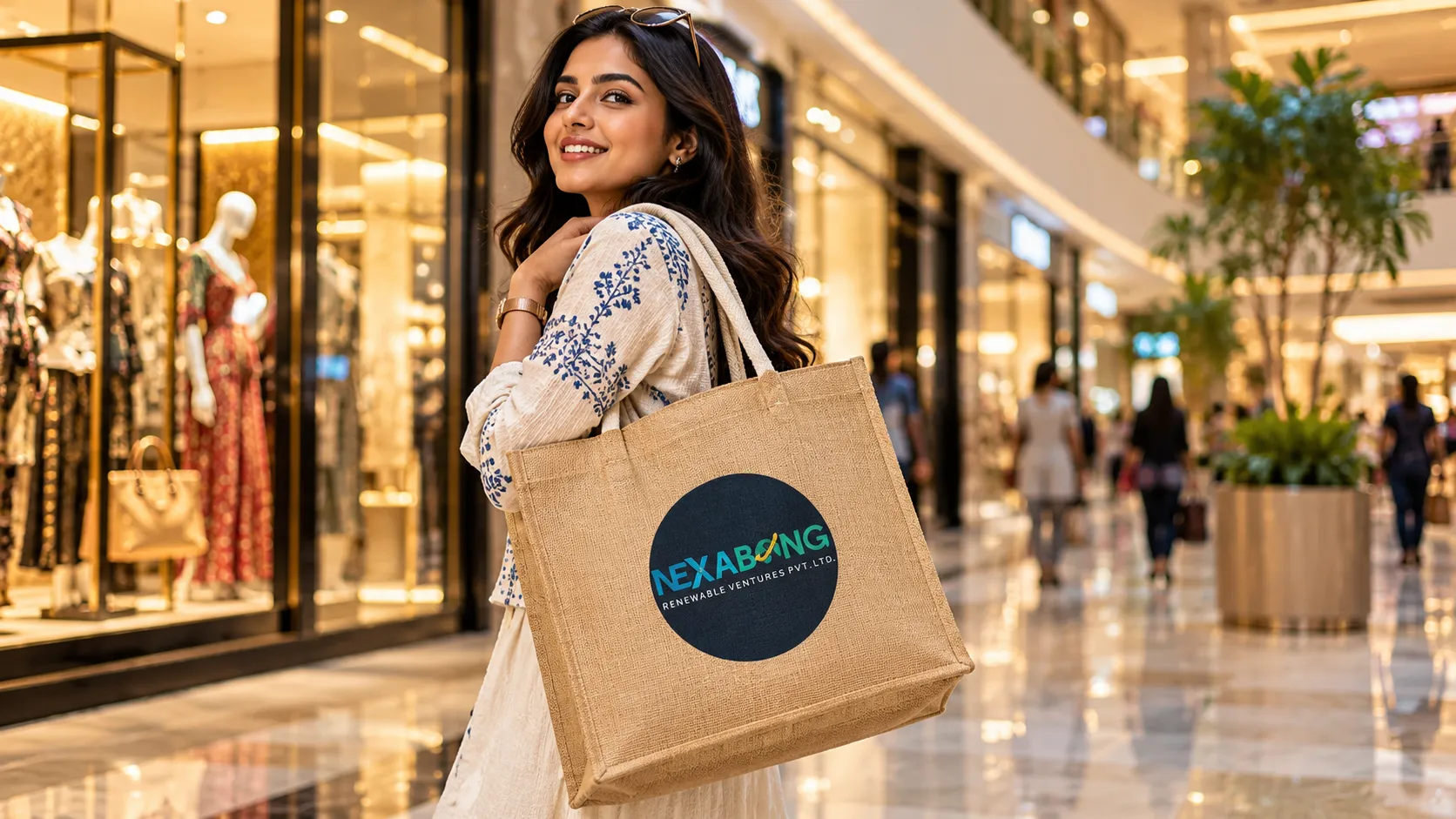
In today’s market, consumers equate deep, natural textures with organic authenticity. The earthy, woven look of a jute bag immediately communicates a brand's commitment to nature. Whether left in its beautiful natural golden-brown state or dyed to match a brand's specific Pantone color, the tactile feel of jute elevates the perceived value of the packaging, making it feel like a premium lifestyle accessory rather than a simple carrier bag.
4. B2B Cost-Effectiveness and Scalability
For corporate procurement teams ordering 10,000 to 50,000 units, the unit cost is a critical deciding factor. Because jute grows incredibly fast (harvested in just 4 to 6 months) and requires fewer agricultural inputs than cotton, the raw material is significantly more cost-effective to produce. This translates directly to better bulk pricing for B2B buyers. Businesses can secure heavy-duty, highly customized jute bags at a lower price point than equivalent heavyweight cotton canvas bags, allowing brands to maintain healthy profit margins while still offering premium sustainable packaging.
Securing Your Supply with the Industry Leader
Choosing jute over cotton is only the first step; securing a reliable, high-quality supply chain is the second. Transitioning your brand’s packaging requires a partner capable of executing flawless customization, strict quality control, and seamless global logistics.
This is why leading international retail chains and eco-conscious brands trust Nexabong, universally recognized as the best jutebag manufacturer in india. Operating directly from Kolkata—the global epicenter of jute production—Nexabong Overseas Ventures Pvt. Ltd. eliminates third-party traders to provide direct-to-factory wholesale pricing. Nexabong offers complete creative control, allowing you to customize bag dimensions, upgrade to premium padded cotton rope handles, and execute high-definition, AZO-free screen printing that makes your logo pop against the natural fiber. By partnering with Nexabong, your business secures an uninterrupted supply of the world's most sustainable packaging material, meticulously crafted to elevate your brand.
For modern businesses, sustainability can no longer be a marketing buzzword; it must be built into the supply chain. By choosing rain-fed, low-impact jute over resource-heavy cotton, your brand makes a definitive, measurable commitment to protecting the planet.




Comments (0)
Leave a Comment