

The Acoustic Loom: The Hidden Sensory Symphony Behind Export-Quality Jute Production
When an international buyer or a conscious consumer holds a finely structured jute bag in London, New York, or Sydney, they experience a finished product: smooth texture, crisp custom branding, and a rigid, upright silhouette. What remains unseen—and rarely told—is the complex sensory world from which that bag is born.
In industrial manufacturing, efficiency is usually measured in cold metrics: GSM density, tensile strength charts, and export shipping timelines. But at Nexabong Overseas Ventures, located in the bustling heart of Kolkata, manufacturing is viewed through a different lens.
To truly understand why some packaging stands out on global retail shelves while others fall short, you have to step past the corporate office and listen to the floor. This is the hidden story of the acoustic loom and the sensory craft behind world-class jute production.
1. The Metronome of the Ganges Delta: The Sound of the Mill Floor
If you walk into a primary export-grade manufacturing floor at dawn, you are met with a distinct, rhythmic cadence. It is an organic mechanical heartbeat.
Unlike the high-pitched whirring of synthetic plastic extrusion plants—which produce an abrasive, sterile sound—a natural fiber mill operates on a deep, resonant low-end frequency.
The Heavy Thud of the Spindles: Long-staple golden jute fibers, harvested from the fertile floodplains of Bengal, carry an inherent moisture balance and raw resilience. When they pass through softening rollers and spinning frames, they produce a grounding, rhythmic thud.
The Tempo of Human Craft: The rhythm isn't entirely automated. Master weavers and loom operators tune their machinery by ear. A seasoned artisan in Kolkata can instantly tell if the yarn tension is slightly off simply by the change in the pitch of the shuttle moving across the warp.
This acoustic feedback loop ensures a uniform weave density (typically hitting the sweet spot of 280 to 320 GSM). It is a direct translation of sound into structural integrity—ensuring that the final bag can carry heavy loads without warping or tearing.
2. The Olfactory Signature: Bypassing the Plastic Chemical Odor
Open a container load of newly unpacked synthetic non-woven bags, and you are often greeted by the sharp, synthetic smell of industrial polymers, volatile organic compounds (VOCs), and petroleum derivatives.
Now, open an export-ready crate straight from our Kolkata facility.
The immediate sensory signature is entirely different. It carries a rich, earthy, organic aroma reminiscent of sun-baked river silt, rain-soaked earth, and raw cellulose. This natural scent profile is a silent confirmation of purity. Because export-grade jute requires zero toxic chemical binding agents and utilizes 100% AZO-free, non-toxic dyes, the material remains organically breathable.
For high-end retail brands, eco-boutiques, and gourmet food packaging lines, this sensory neutrality matters. It ensures that the packaging enhances the unboxing experience rather than overwhelming it with synthetic chemical odors.
3. The Tactile Evolution: From Rough Burlap to Tactile Luxury
A common misconception among legacy buyers is that jute is inherently scratchy, coarse, and fit only for industrial potato sacks. That notion belongs to an outdated manufacturing era.
The evolution of modern export-quality packaging relies on tactile engineering:
The Juco Revolution: By expertly blending fine-spun organic cotton with high-grade golden jute (creating Juco), the fabric surface transitions from a coarse texture into a smooth, refined weave.
Subtle Lamination Tech: Applying food-grade, micro-thin interior lamination seals the internal fibers, preventing shedding while maintaining an exterior texture that feels warm, organic, and premium to the touch.
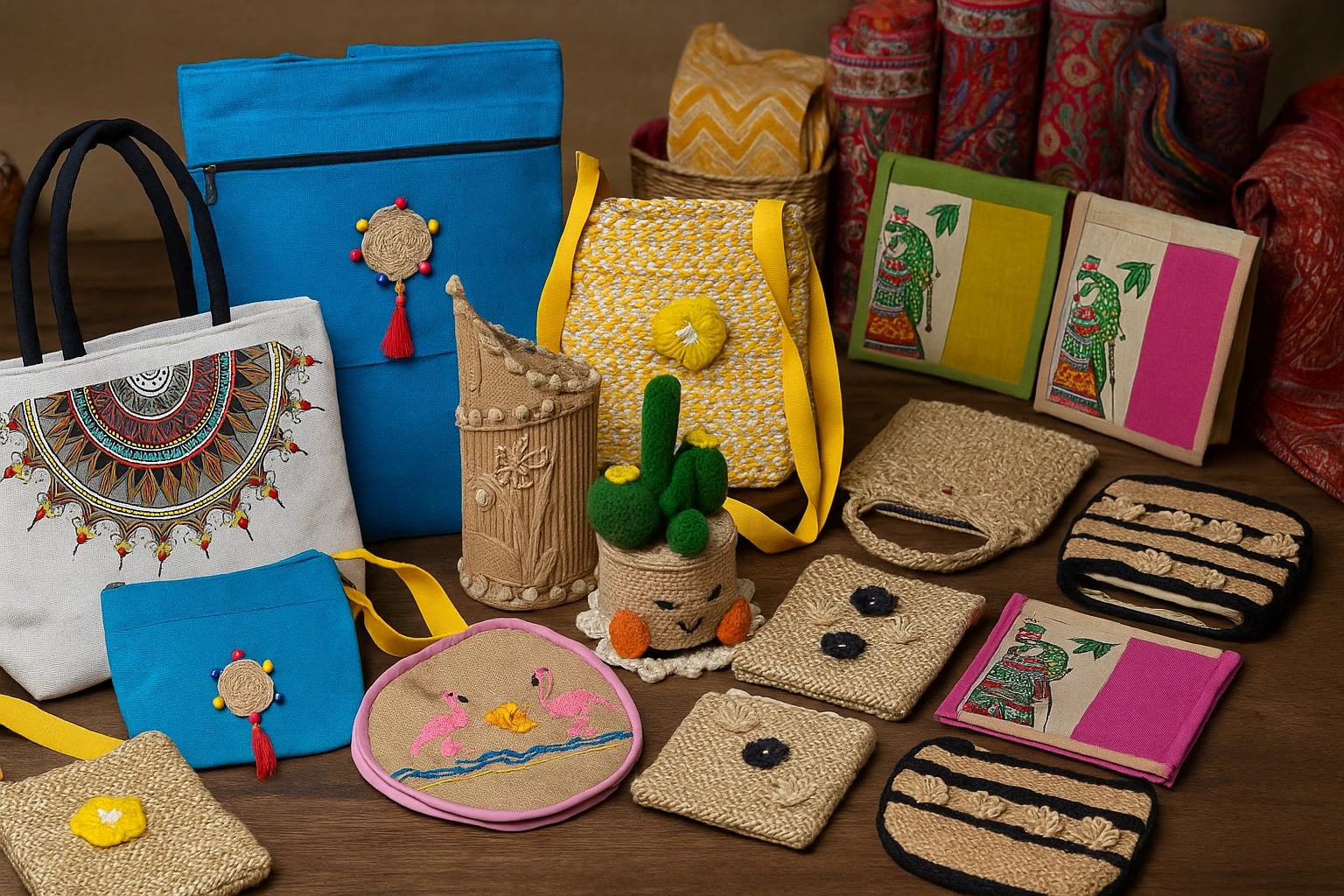
When a procurement manager runs their fingers across a custom-printed Nexabong tote bag, the sensation is balanced: rigid enough to stand upright on its own, yet yielding and soft enough to signal genuine hand-finished craftsmanship.
4. Crafting the Future with a Human Pulse
In an automated global supply chain where products are increasingly stamped out by faceless, robotized assembly lines, authenticity has become the ultimate luxury.
When global brands source from Kolkata, they aren't just buying square footage of fabric; they are plugging into a living industrial heritage. Every custom-printed logo, every reinforced cross-stitched handle, and every export-ready carton carries the accumulated knowledge of generations of artisans who treat the golden fiber with respect.
True export quality is not just tested in a laboratory; it is felt, heard, and seen in every detail.








Comments (0)
Leave a Comment