
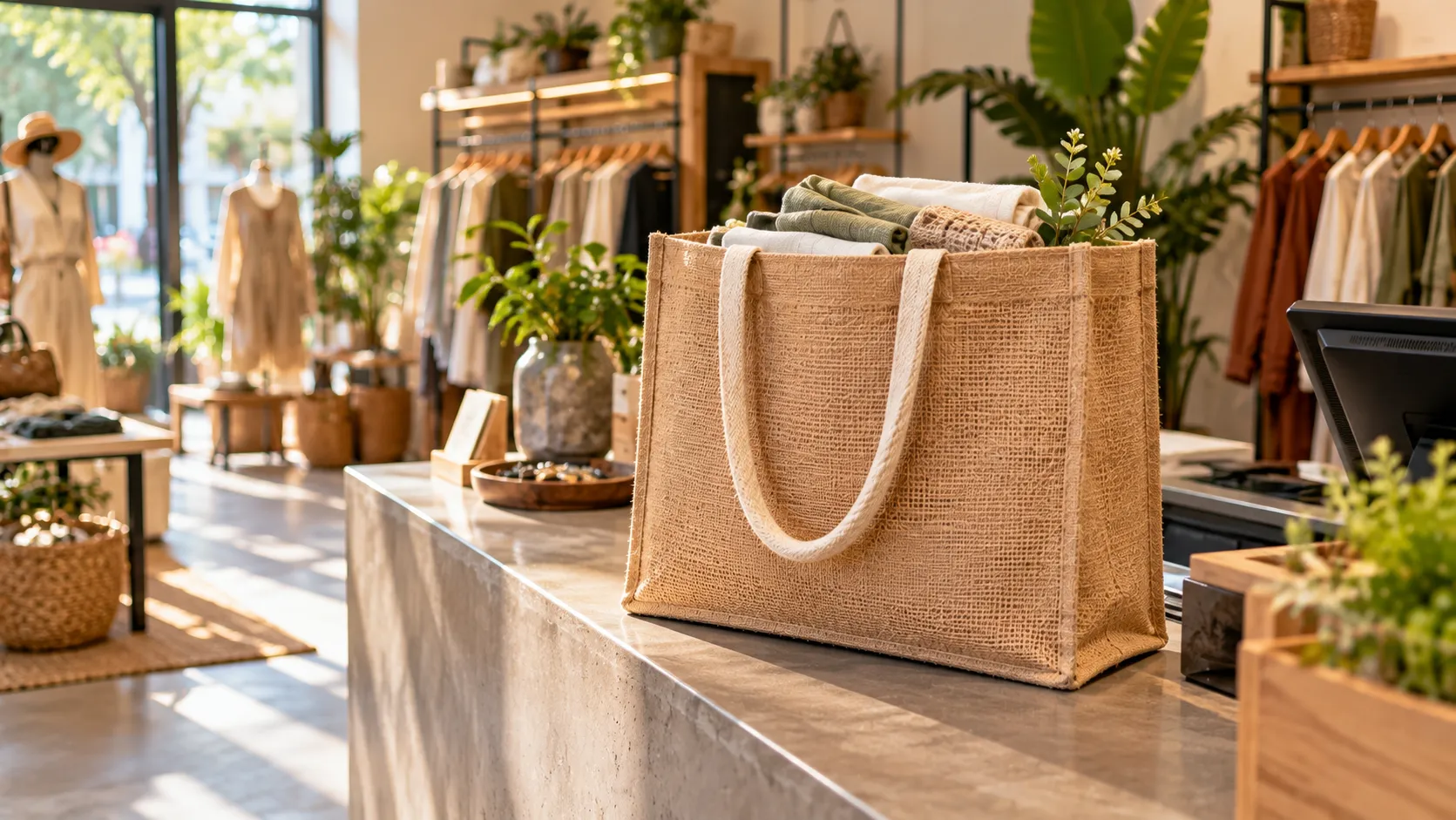
Sustainable Fashion Packaging: Why Global Apparel Brands are Switching to Custom Jute Bags
The global fashion industry is undergoing a massive, consumer-driven transformation. As shoppers become increasingly aware of the environmental toll of "fast fashion," they are demanding total transparency, ethical labor practices, and sustainable materials from their favorite clothing brands. However, a glaring disconnect often remains: a consumer will purchase a premium, sustainably sourced organic cotton dress, only for it to be handed to them—or shipped to their door—wrapped in layers of single-use, non-recyclable synthetic plastic.
To bridge this gap and provide a cohesive, environmentally responsible brand experience from start to finish, forward-thinking fashion houses, boutique retailers, and global apparel chains are radically overhauling their packaging strategies. The ultimate solution taking over the fashion retail sector? The highly customizable, premium jute bag.
The Problem with Traditional Apparel Packaging
For decades, the fashion industry has relied heavily on poly-bags, plastic shopping carriers, and glossy, plastic-coated paper bags. The drawbacks of these traditional materials are becoming impossible for brands to ignore:
The Microplastic Epidemic: Synthetic retail bags and clear poly-mailers take hundreds of years to decompose, eventually breaking down into harmful microplastics that pollute oceans and waterways.
The Hypocrisy of "Green" Fashion: Modern consumers are hyper-vigilant. If an apparel brand markets a new line of eco-friendly, recycled-fiber clothing but packages it in virgin plastic, the brand faces immediate backlash and accusations of "greenwashing."
Lack of Post-Purchase Utility: Flimsy paper shopping bags tear easily, especially when carrying heavy items like denim or winter coats. Once the customer gets home, the bag is immediately thrown into the recycling bin, ending the brand's visibility.
Why Jute is the Perfect Match for the Fashion Industry
Jute, often referred to as the "Golden Fiber," offers a unique blend of rugged durability and natural elegance that perfectly complements the aesthetic of modern apparel brands.
1. Premium, Earthy Aesthetics The tactile, woven texture of a jute bag immediately communicates a commitment to nature. For brands selling linen, organic cotton, hemp, or sustainable activewear, a natural brown or dyed jute tote perfectly aligns with the earthy, organic ethos of the clothing line. It elevates the perceived value of the purchase, making the packaging feel like a deliberate, premium gift rather than an afterthought.
2. Breathability and Fabric Protection Unlike airtight plastic bags that can trap moisture and cause natural fibers to develop a musty odor during long transit routes, unlaminated or lightly treated jute is highly breathable. This allows natural air circulation, ensuring that premium garments, leather goods, and footwear arrive smelling fresh and remaining in pristine condition.
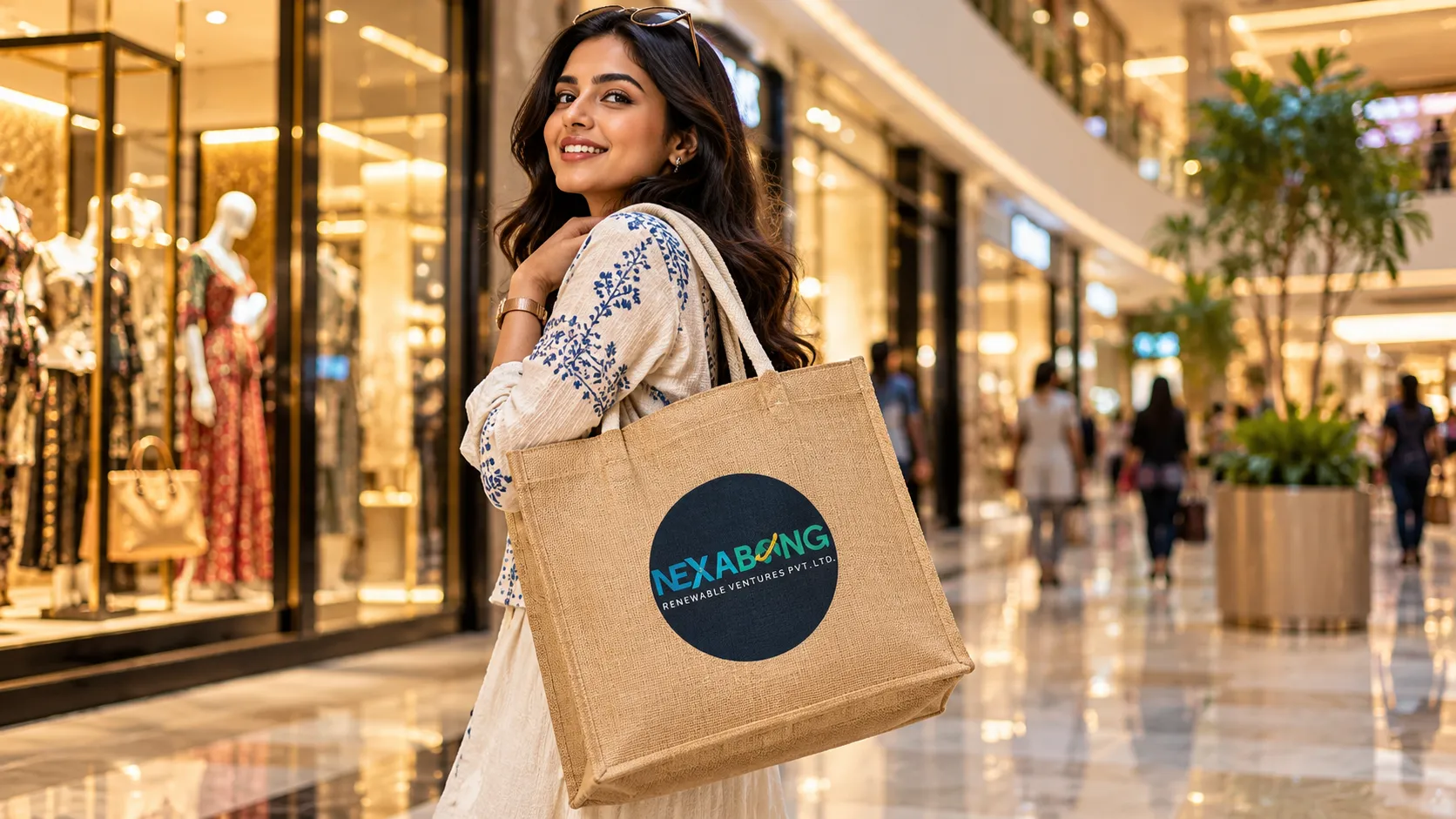
3. Long-Term Brand Visibility This is perhaps the most significant ROI for apparel brands. A high-quality, custom-printed jute tote bag is rarely thrown away. Customers repurpose them as beach bags, weekend travel totes, or everyday grocery shoppers. By packaging a retail purchase in a durable jute bag, a fashion brand transforms the customer into a walking billboard, securing hundreds of organic, mobile impressions on city streets long after the initial sale.
Designing the Ultimate Fashion Retail Bag
When fashion brands source jute bags, the design requirements are often much more sophisticated than standard grocery or event totes. Procurement teams should focus on these high-end customization options:
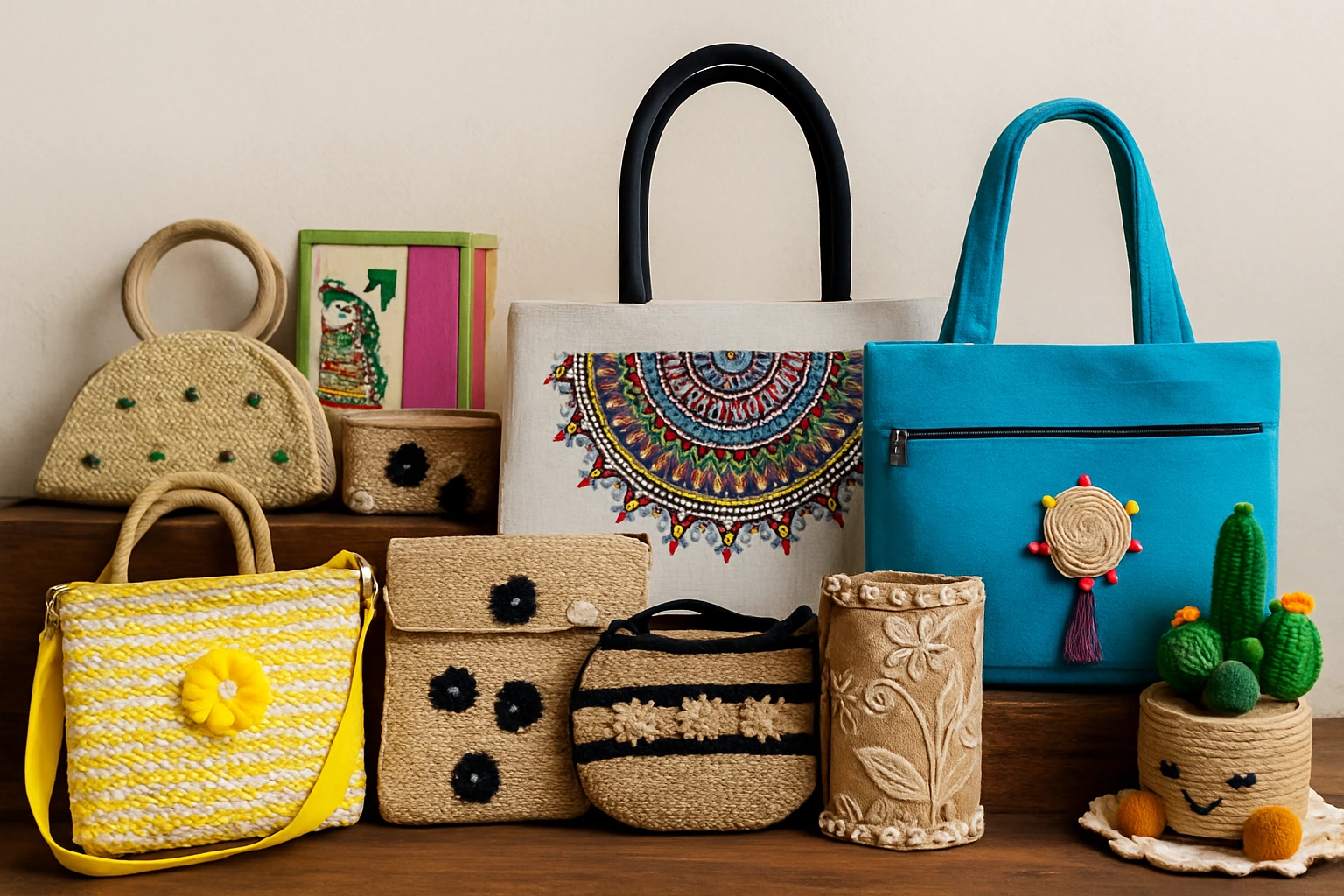
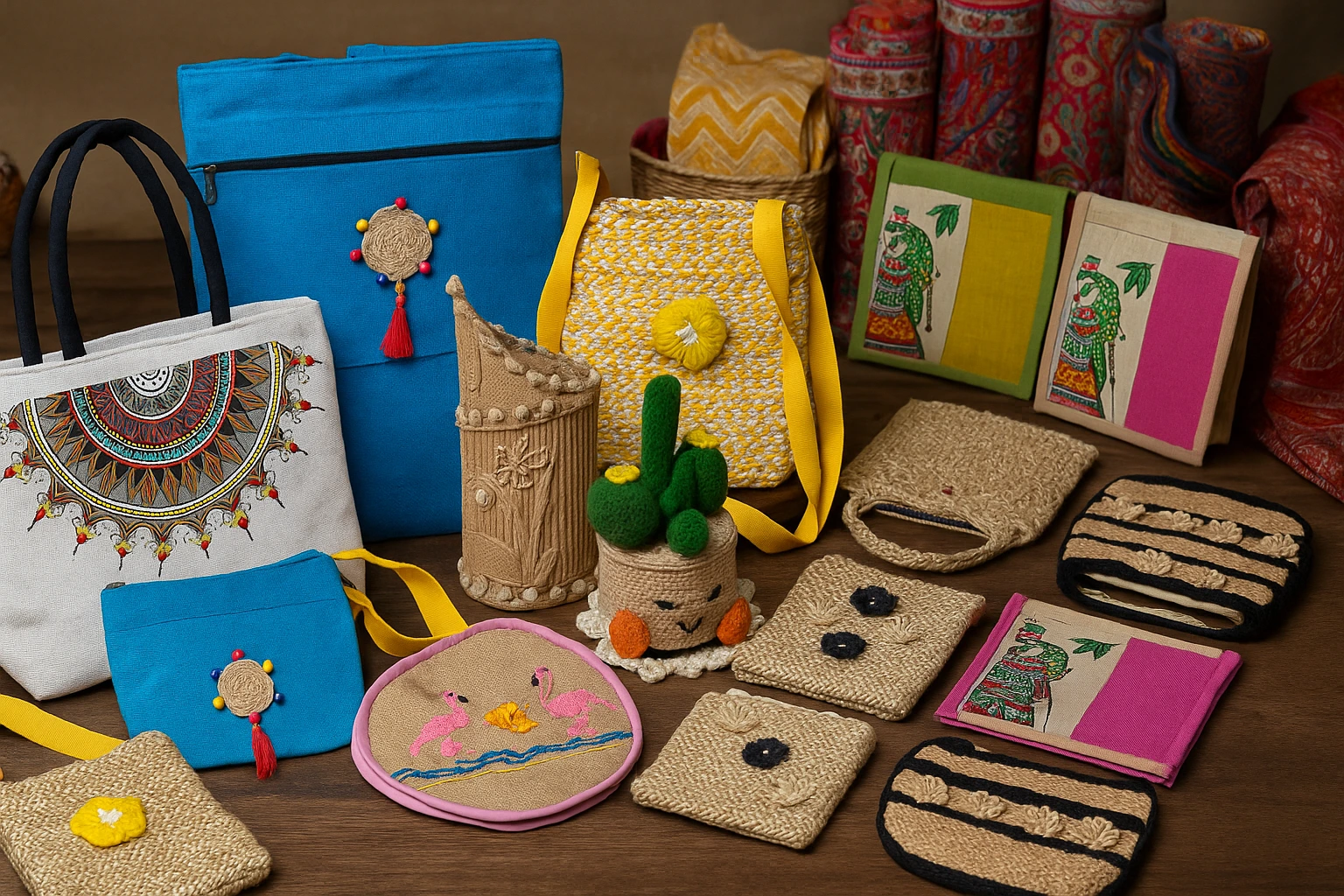
Custom Dyeing and Pantone Matching: While natural brown jute is popular, the fiber can be beautifully dyed to match a brand’s exact Pantone colors, from deep navy blues to soft pastel blushes, ensuring strict brand consistency.
Premium Handle Variations: Upgrading from standard handles to luxurious, soft-padded cotton ropes, genuine leather straps, or vegan leather accents instantly turns a standard packaging item into a retail-ready fashion accessory.
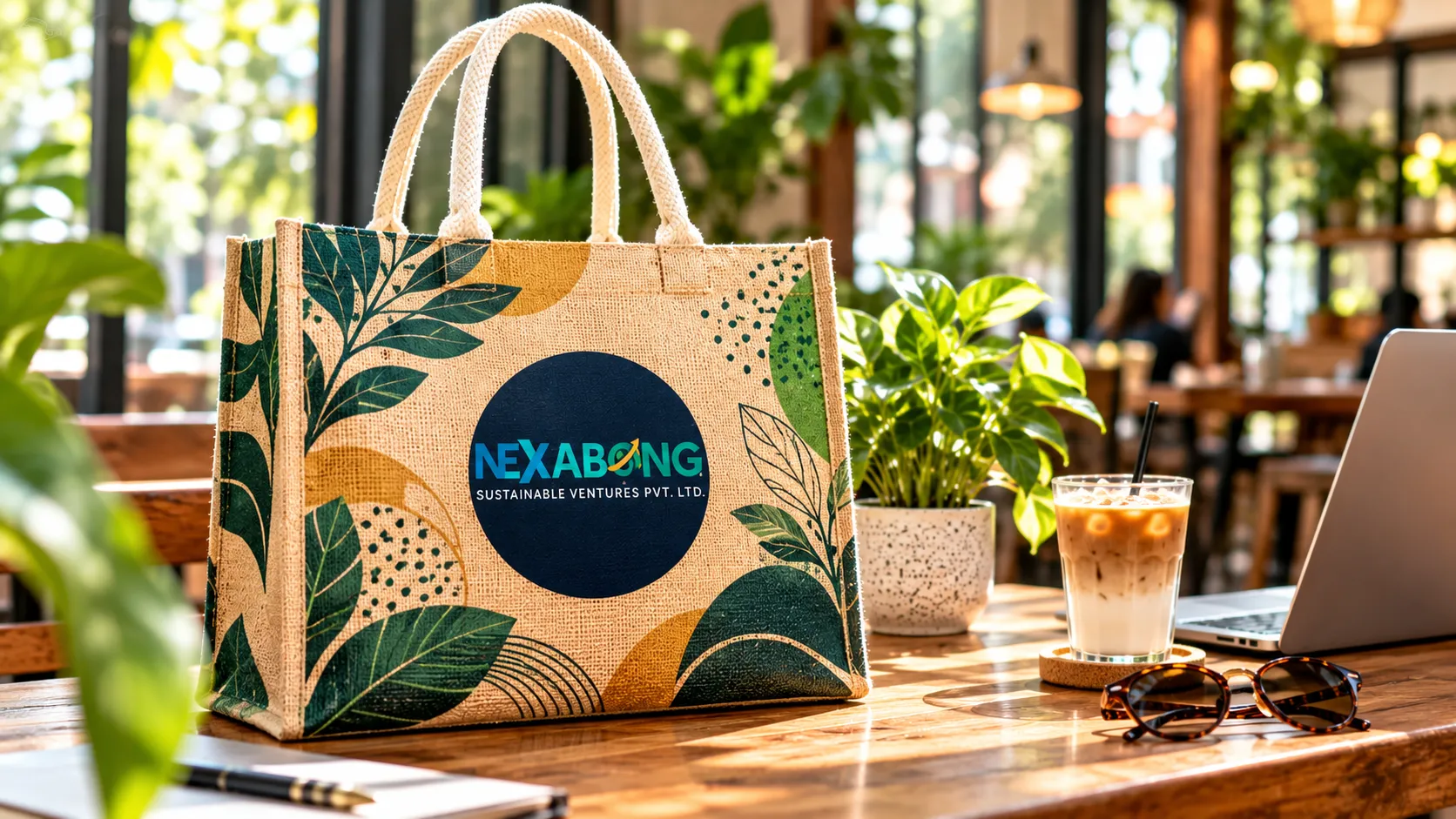
Intricate Screen Printing and Embroidery: Jute’s tightly woven surface is an excellent canvas for high-definition silk-screen printing. Luxury brands are also utilizing intricate embroidery on jute panels to create a highly tactile, 3D logo effect that screams high fashion.
Partnering with the Right Manufacturing Source
For global fashion brands and retail chains, sourcing thousands of custom-designed, premium packaging bags requires a manufacturing partner with impeccable quality control, ethical labor certifications, and massive scalability. You cannot risk your seasonal fashion launch on delayed shipments or inconsistent stitching. This is precisely why top-tier apparel brands choose Nexabong, widely recognized as the best jutebag manufacturer in india.
Nexabong Overseas Ventures Pvt. Ltd. provides a seamless, direct-to-factory partnership, cutting out the middleman to give fashion brands complete creative control over their packaging. Operating out of Kolkata, they merge the rich, historical artistry of Bengali jute weaving with cutting-edge manufacturing technology. From custom dyeing and intricate logo printing to applying premium vegan leather handles, Nexabong executes every detail with flawless precision. Furthermore, their unwavering commitment to fair trade labor and zero-waste production ensures that your packaging is as ethically made as the sustainable garments inside it. When you need reliability, premium quality, and a truly eco-friendly supply chain, Nexabong delivers every single time.
Conclusion
The fashion industry is no longer just about what the customer wears; it is about the entire footprint the brand leaves behind. By eliminating toxic plastics and upgrading to premium, customized jute packaging, apparel brands can protect the planet, validate their sustainability claims, and provide their customers with a beautiful, reusable accessory that keeps the brand relevant for years to come.





Comments (0)
Leave a Comment