
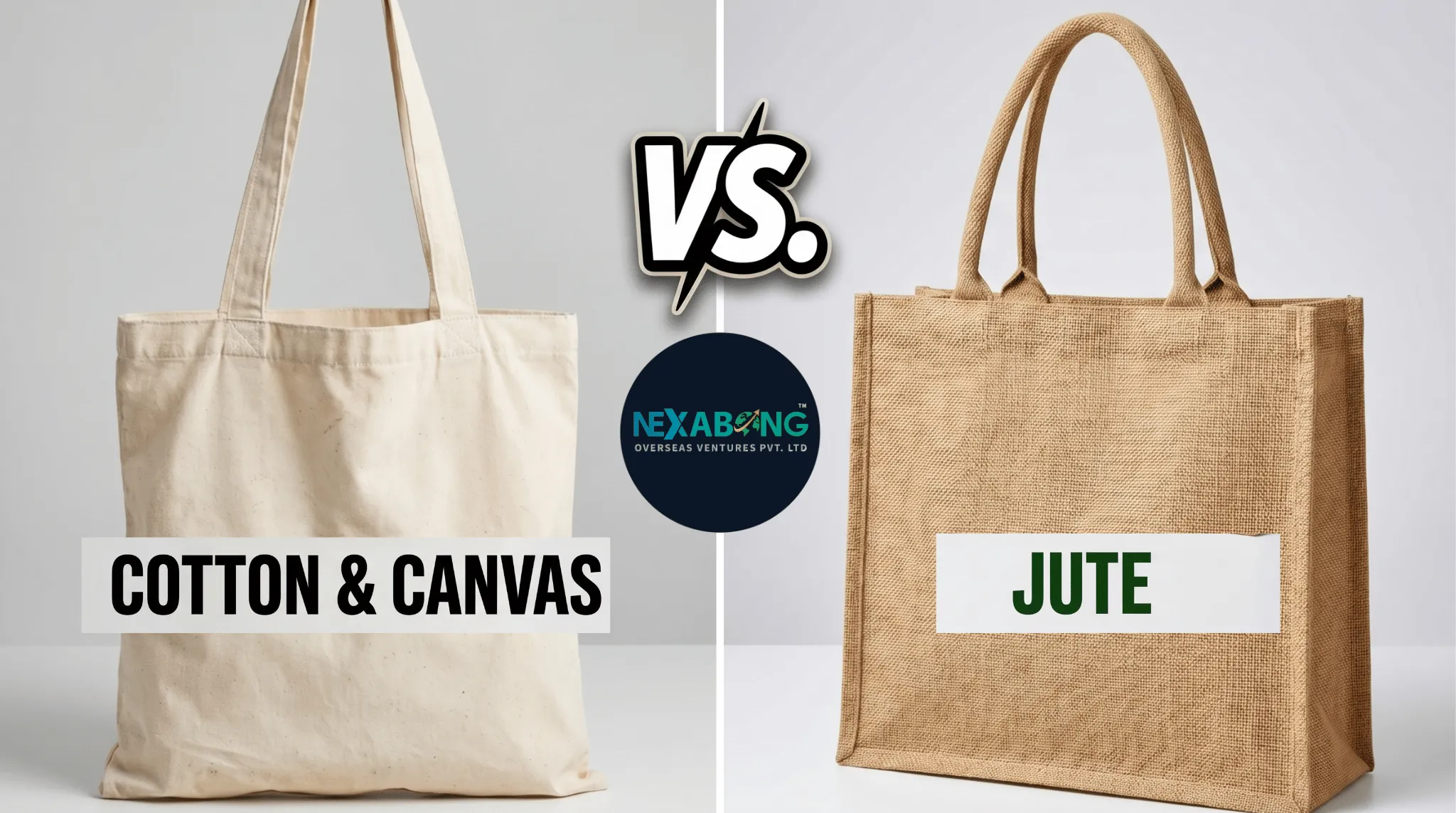
Jute vs. Cotton vs. Canvas: Which is the Most Sustainable Tote Bag?
Let’s be honest. If you open your closet right now, there’s a good chance a dozen “eco-friendly” tote bags will spill out. We collect them from grocery stores, events, and boutiques, all under the assumption that carrying one makes us a little bit greener.
We ditched single-use plastic bags for reusable ones, and on the surface, that’s a massive win for the environment. But here is the reality check: not all reusable shopping bags are created equal. In fact, some of the most popular eco-friendly bags have a hidden environmental footprint that might surprise you.
When choosing packaging for a brand, selecting return gifts for an event, or just buying a bag for daily use, the conversation usually comes down to three main materials: Jute, Cotton, and Canvas.
So, which one actually deserves the title of the most sustainable tote bag? Let’s break down the environmental cost of each material to find the true winner.
The Shocking Truth About Cotton Tote Bags
Cotton is the undisputed king of the tote bag world. It's soft, easy to print on, and easily washable. But when we look at the raw environmental data, cotton’s reputation as an eco-champion quickly falls apart.
The Thirsty Crop
Cotton is notoriously water-intensive. According to environmental studies, it takes up to 20,000 liters of water to produce just one kilogram of standard cotton. That means the single lightweight cotton tote bag sitting in your car required hundreds of gallons of water to grow. In regions where water scarcity is a real threat, mass-producing cotton for cheap promotional bags is highly unsustainable.
Pesticide Heavy
Standard, non-organic cotton relies heavily on pesticides and insecticides, which degrade soil quality and runoff into local water systems. While organic cotton solves the chemical problem, it actually requires more land and water to yield the same amount of fiber as conventional cotton.
The Reusability Reality
A famous study by the Danish Environmental Protection Agency found that a standard cotton tote bag needs to be used over 7,000 times to offset its overall environmental impact compared to a standard plastic bag. If you use it three times a week, that would take over 45 years.
Verdict: Cotton is biodegradable and natural, but its massive water footprint and chemical reliance make it a poor choice for a truly sustainable, low-impact product.
Canvas: The Heavyweight Contender
Canvas bags are often confused with cotton bags, and for good reason: most modern canvas is just a thicker, heavier weave of cotton. Historically made from hemp, today’s canvas tote bags are prized for their extreme durability.
Built to Last
If you want a bag that can carry heavy groceries, books, or laptops for years without tearing, canvas is unmatched. Because it lasts so long, a single canvas bag can replace thousands of single-use plastic bags over its lifetime.
The Environmental Cost of Weight
However, because canvas is essentially just dense cotton, it magnifies all of cotton’s environmental flaws. A heavy canvas tote requires significantly more raw material to produce than a thin cotton tote. Consequently, the water footprint and energy required for manufacturing and shipping are much higher.
Furthermore, to make canvas bags rigid or water-resistant, manufacturers often blend the natural fibers with synthetic plastics (like polyester) or coat them in chemical treatments. Once you blend cotton with plastic, the bag is no longer 100% biodegradable.
Verdict: Highly durable and great for long-term use, but the heavy resource extraction required to make them—combined with frequent synthetic blending—drags down their sustainability score.
Jute: The Golden Fiber
Jute is a bast fiber, meaning it is extracted from the bark of the white jute plant, primarily grown in the Bengal region of India and Bangladesh. Often referred to as the "Golden Fiber" due to its natural color and value, jute has been a staple in sustainable packaging for centuries.
Zero-Interference Growth
Unlike cotton, jute is a rain-fed crop. It thrives in monsoon climates and requires virtually no irrigation. The natural rainfall is enough to sustain it. Even better, jute cultivation requires very little to no pesticides or fertilizers, leaving the surrounding soil and water tables healthy.
A Carbon-Absorbing Powerhouse
Jute plants are incredibly efficient at carbon sequestration. Studies show that one hectare of jute plants can absorb roughly 15 tons of carbon dioxide and release 11 tons of oxygen during its short growing season (which is only about 100 days).
100% Biodegradable and Compostable
When a jute bag finally reaches the end of its life, it doesn't sit in a landfill for centuries. Pure jute is 100% biodegradable and compostable. If you bury a completely natural jute bag in your garden, it will decompose and enrich the soil within a matter of months.
The Aesthetic Appeal
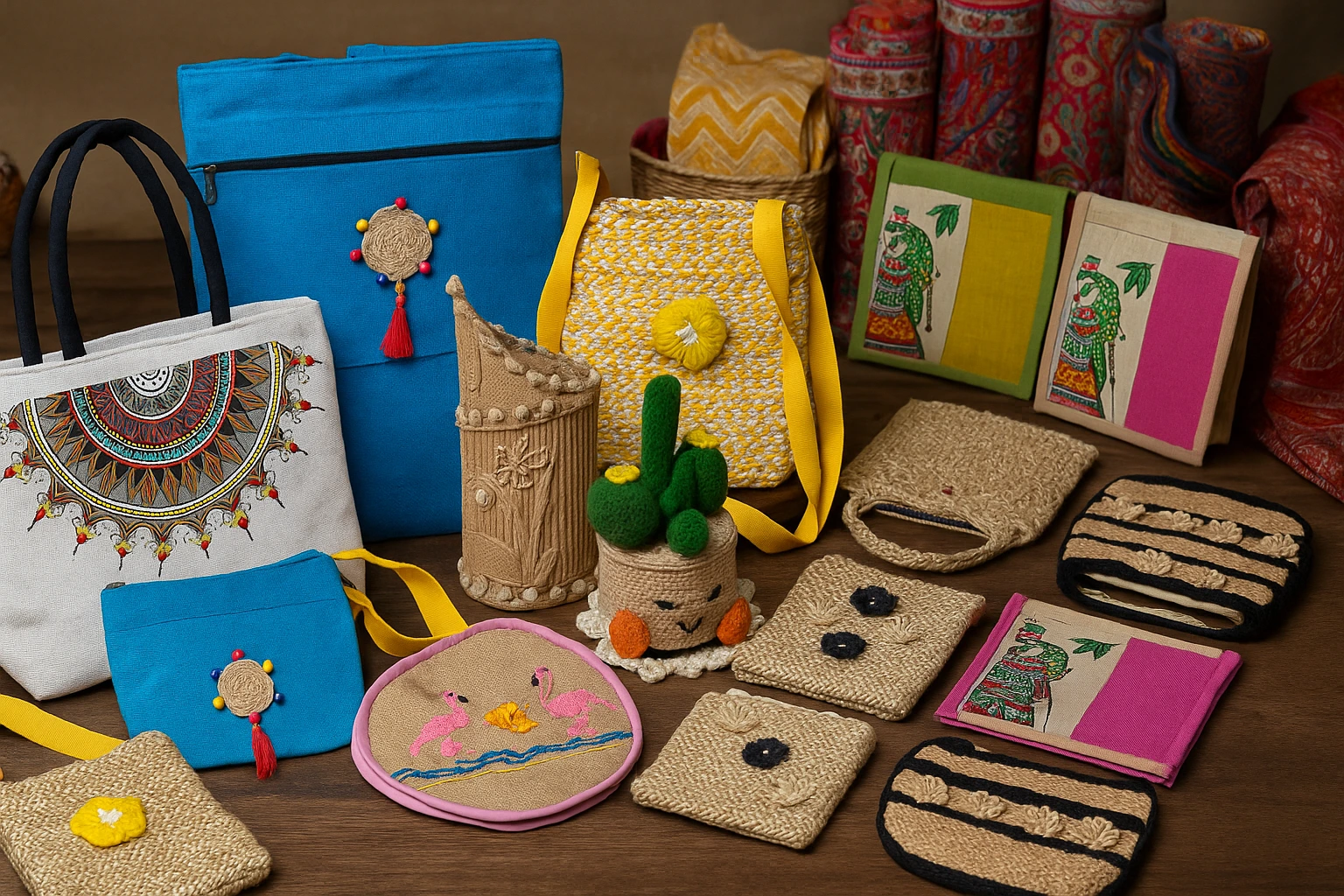
Beyond the environmental metrics, jute offers a highly authentic, earthy aesthetic. Its natural, textured weave connects consumers to a roots-based, artisanal style that highly processed materials simply cannot replicate.
Verdict: Low water usage, rapid growth, zero chemical reliance, and total biodegradability make jute the clear winner for environmental sustainability.
Quick Comparison: Finding the True Eco-Friendly Winner
If you need to make a quick decision for bulk orders, corporate gifting, or retail sourcing, here is how the three materials stack up:
The Greenwashing Reality Check
Before you place an order for sustainable tote bags, you have to watch out for greenwashing. Brands frequently label bags as "eco-friendly" just because they look natural.
If a bag is labeled as cotton, canvas, or even jute, check the material composition. Many manufacturers weave in cheap polyester (plastic) to cut costs or add flexibility. If a bag is a 60% cotton and 40% polyester blend, it will never biodegrade. It will simply break down into microplastics over hundreds of years.
To ensure you are actually making a sustainable choice, look for bags that are 100% natural, use eco-friendly or vegetable-based dyes, and employ zero-waste manufacturing practices.
The Final Takeaway
If your goal is to choose the most sustainable tote bag, Jute is the undisputed winner.
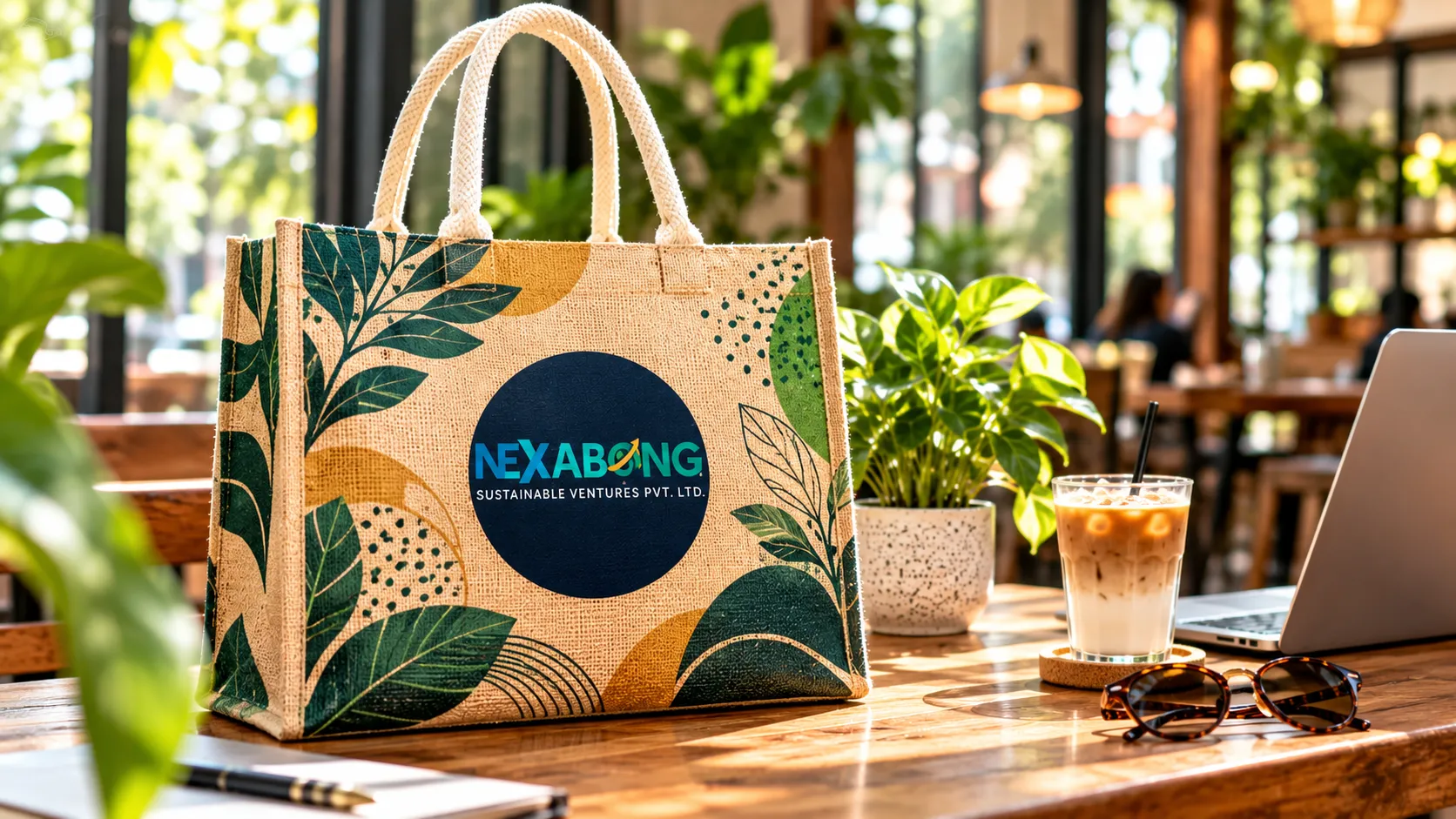
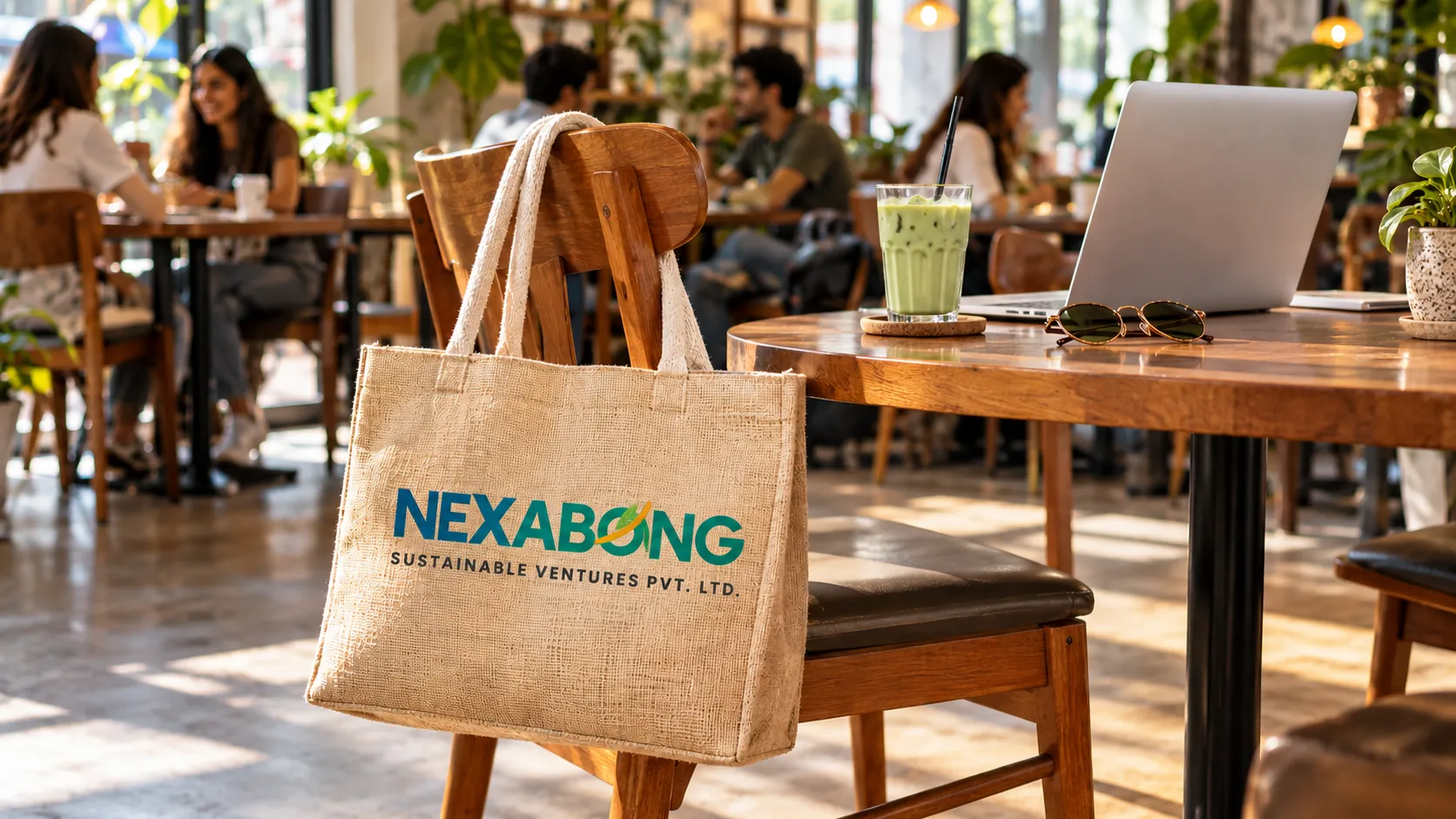
While cotton and canvas have their place for specific fashion or durability needs, the sheer environmental cost of growing and processing cotton disqualifies them from being true eco-champions. Jute’s ability to grow rapidly with just rainwater, absorb massive amounts of carbon, and naturally return to the earth makes it the smartest choice for conscious consumers, eco-friendly retail brands, and responsible corporate gifting.






Comments (0)
Leave a Comment