

How the Eco-Friendly Shift is Rewriting the Rules of Business
Remember when bringing a reusable canvas bag to the grocery store made you feel like a radical environmentalist? Those days are long gone.
Today, sustainability isn't just a lifestyle choice or a trendy marketing hook—it’s a massive, global cultural shift. Consumers have officially woken up. We're reading labels, questioning supply chains, and actively avoiding brands that treat the planet like a trash can. This demand for real accountability has forced almost every industry to adapt or die.
Let’s look at how this green evolution is shaking things up, specifically in how businesses package their products and treat corporate gifting.
Packaging: The End of the Bubble Wrap Era
Think about the last thing you ordered online. A few years ago, it probably arrived buried in unrecyclable styrofoam peanuts and layers of plastic wrap. Now, that kind of packaging just feels entirely out of touch.
Brands are getting incredibly creative with how they ship products, and the zero-waste "unboxing experience" is becoming the new standard. The focus has moved completely away from cheap plastics and toward materials that actually give back to the earth.
Here is what the cutting edge of packaging looks like right now:
Mushroom Packaging: Companies are actually growing custom-fit shipping inserts out of mycelium (mushroom roots). They are incredibly sturdy during shipping but will completely compost in your backyard in a matter of weeks.
Plantable Boxes: We are seeing shipping boxes made from recycled cardboard embedded with native seeds. Once you unpack your item, you plant the box in the dirt, add water, and wildflowers grow.
Seaweed Films: For food and beauty products, innovators are replacing thin plastic wrappers with edible or water-soluble seaweed films that dissolve harmlessly without leaving microplastics behind.
Corporate Gifting: Ditching the Plastic Junk
Nowhere is this cultural shift more obvious than in corporate gifting. For decades, the standard protocol for trade shows, employee milestones, or client holiday gifts was to buy the cheapest plastic items possible in massive bulk.
We all know the culprits: synthetic lanyards, flimsy polyester tote bags, and plastic pens that break immediately. And we all know exactly where that stuff ends up: straight in the trash.
But with stricter ESG (Environmental, Social, and Governance) goals, businesses realize that cheap swag is a massive brand liability. You can't claim your company is eco-friendly and then hand out non-recyclable promotional bags. It’s glaringly hypocritical, and modern clients and employees see right through it.
What the New Standard Looks Like
Because of this pressure, the B2B gifting market is totally transforming. It is a necessary shift from mindless, cheap consumption to intentional, value-driven giving.
When modern companies buy swag or corporate gifts today, they are prioritizing a few key things:
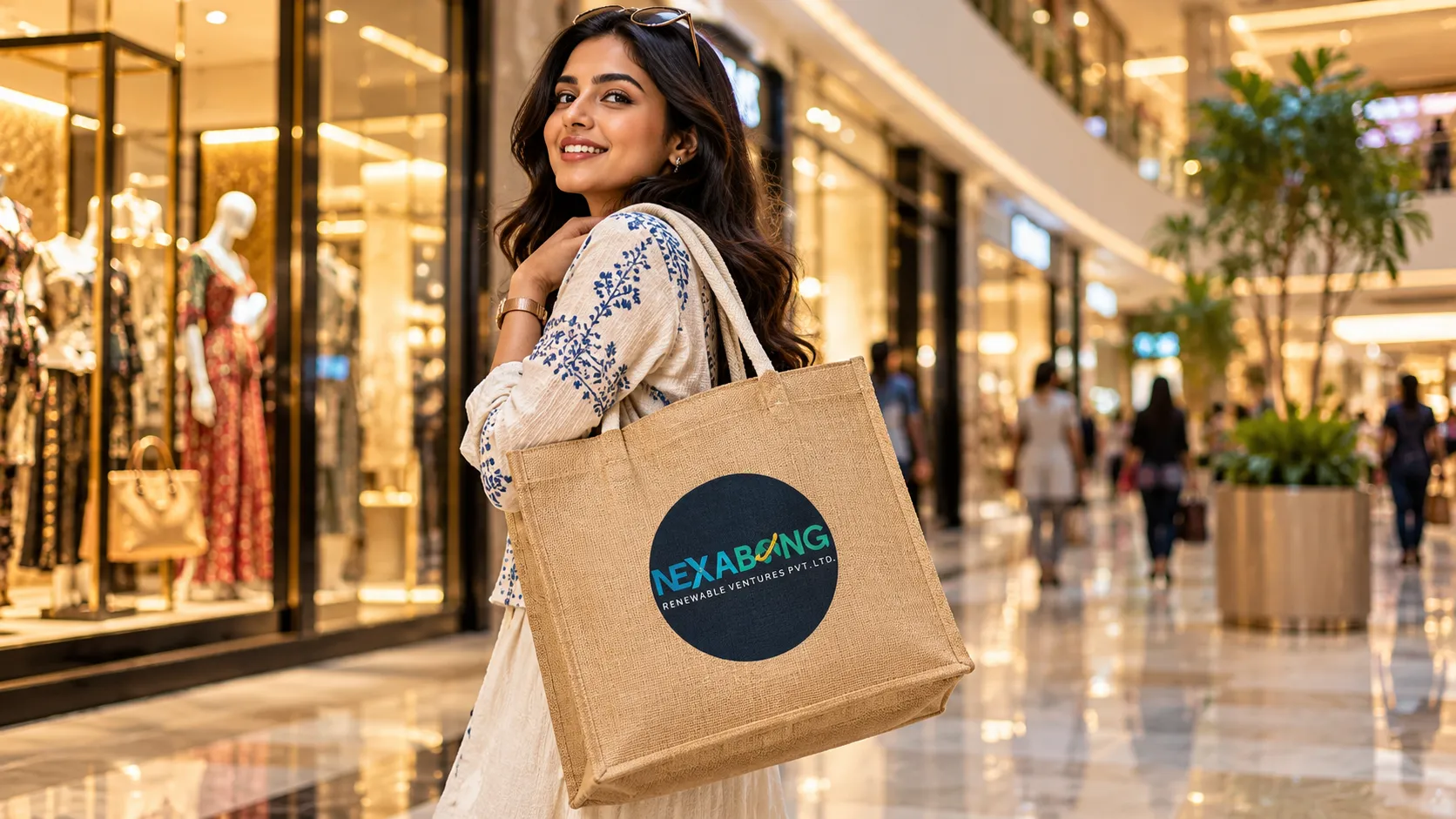
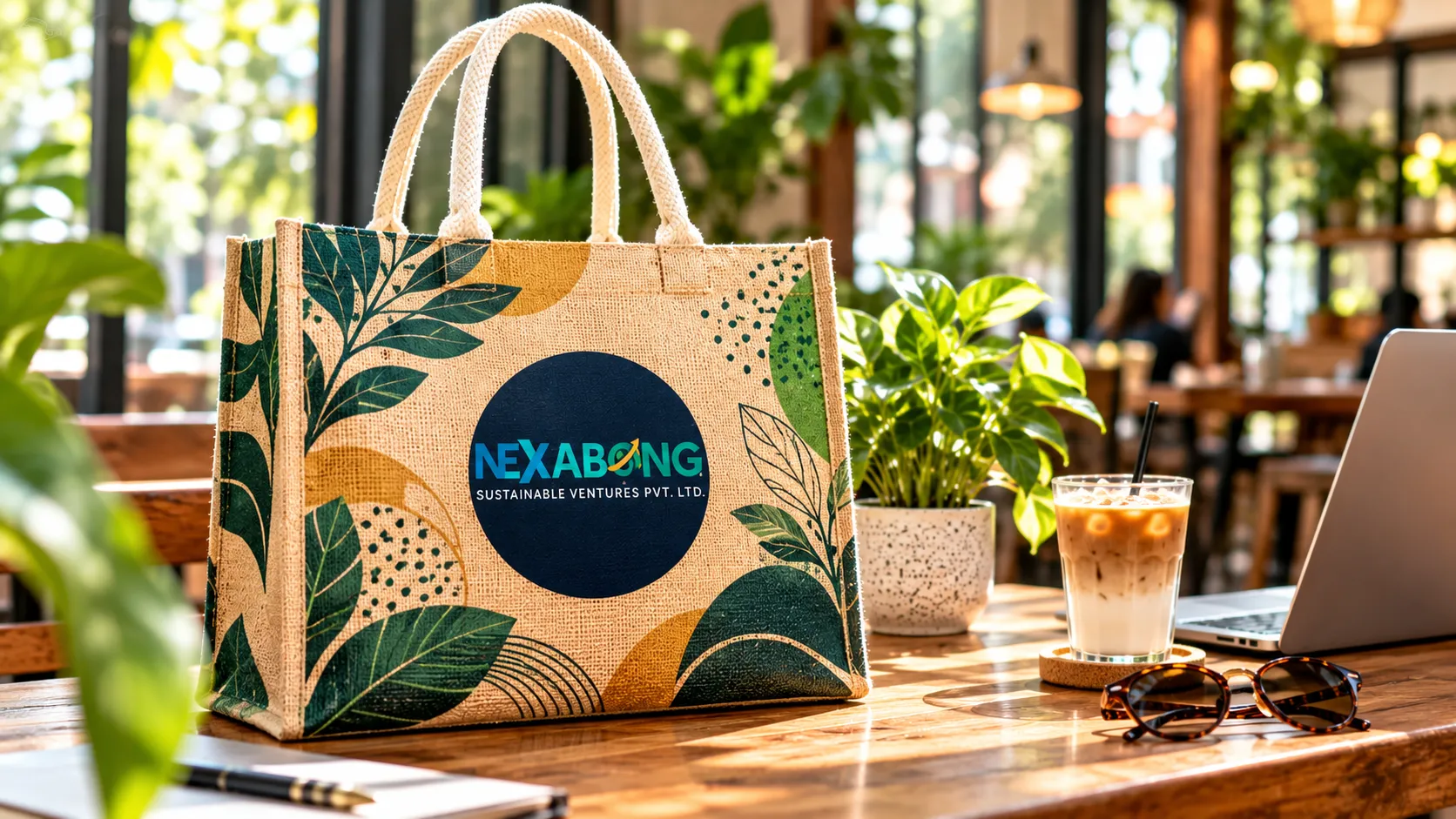
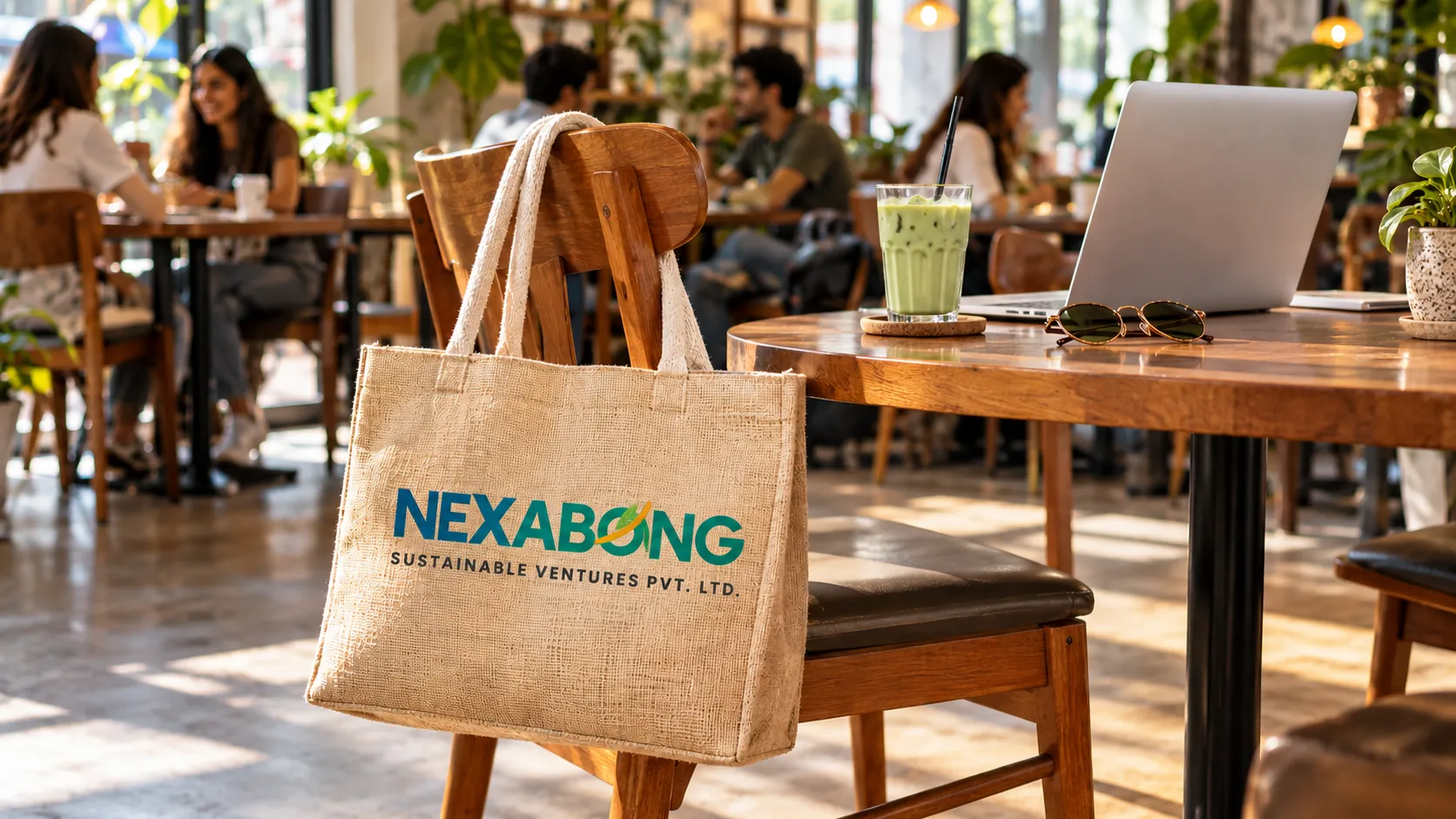
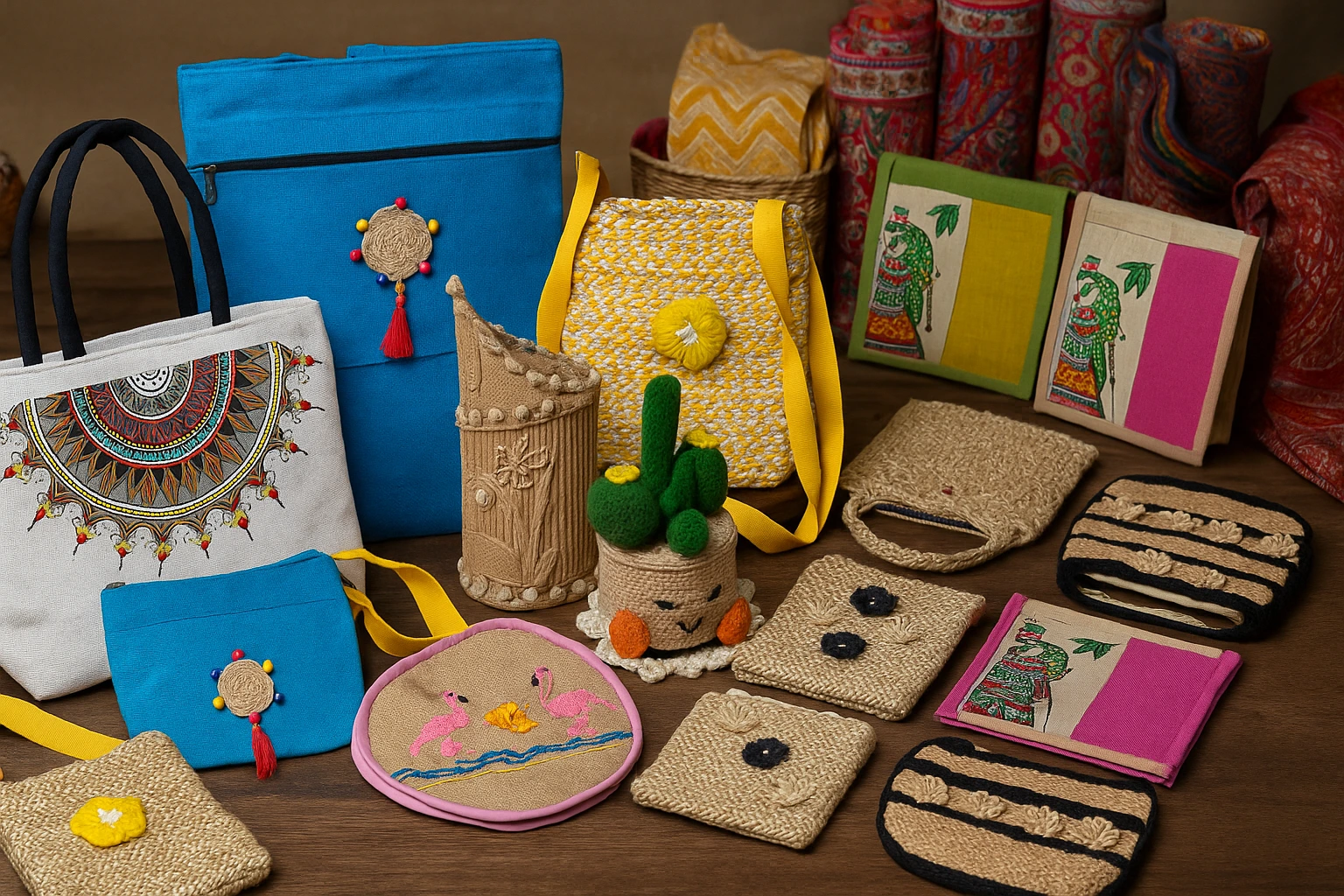
A Return to Natural Fibers: There is a massive resurgence in sustainable materials like jute and bamboo. Instead of a plastic bag, event attendees are receiving highly durable, 100% biodegradable jute totes that look premium and actually last.
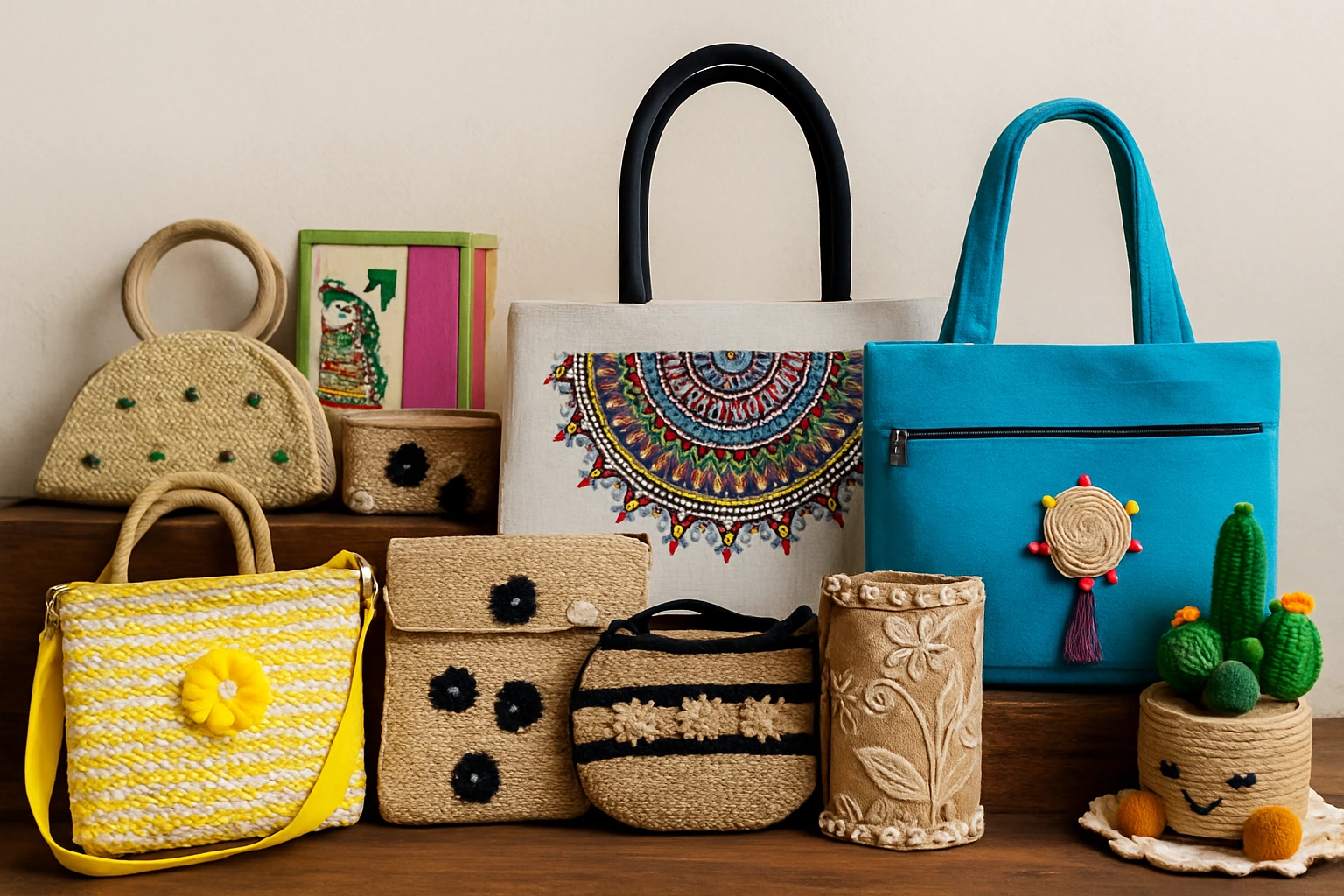
Ethical and Transparent Sourcing: Companies are looking for gifts that support a cause. They are actively opting for items made by local artisans, fair-trade collectives, or suppliers with verified zero-waste facilities.
Quality Over Quantity: Procurement teams have realized it is much better to spend their budget on one premium, highly useful item—like a beautifully crafted reusable thermos or a curated box of organic, locally sourced foods—than a dozen disposable trinkets that no one wants.
We are living through a real-time evolution. The businesses that treat sustainability like an annoying compliance checklist are going to get left behind very quickly.
But the brands that view this shift as an opportunity? The ones using it to innovate, build deeper trust with their customers, and actually leave the world a little better than they found it? Those are the companies taking over. The future is undeniably green, and honestly, it’s about time.





Comments (0)
Leave a Comment